Featured
Community-Based Relief Options Compared Things To Know Be...
Some Ideas on Actual Experiences from People Who Secured ...
The 30-Second Trick For Private Debt Forgiveness Options ...

5 Simple Techniques For How APFSC Apart from the Industry
Table of Contents
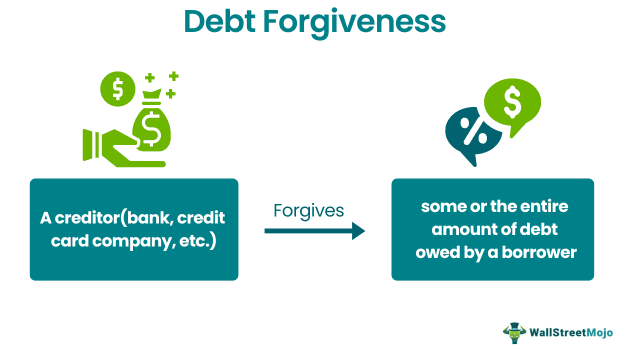
That frees up cash in the short term, and you may have 3 to 4 years to save toward the settlement quantity. Extremely damaging to credit rating, largely as a result of missed repayments and an unfavorable "cleared up" mark that might remain on your credit scores report for up to 7 yearsMay be only option if various other options (financial obligation loan consolidation, balance transfer charge card, financial obligation mercy) aren't possibleTypically needs a fee to the third celebration, which can offset some or every one of the cost savings from financial obligation settlementMay aid you avoid insolvency if you've missed several paymentsNot all financial institutions function with financial debt settlement companies Financial debt forgiveness may be best for you if you are experiencing a monetary challenge that makes it virtually impossible to pay down your debt equilibriums.

With a DMP, you make one monthly repayment to the credit score counseling company. Those funds are after that distributed to creditors of your unprotected debts, such as bank card and installment fundings. The agency collaborates with your financial institutions to minimize rate of interest or forgo costs, but some financial institutions may reject such giving ins.
A financial obligation loan consolidation lending combines your eligible financial debts right into one brand-new car loan. It can assist you pay down debt if you're able to secure a lending rate that's reduced than the average rate of the accounts you're combining. You need to abstain from racking up financial debt on those newly removed accounts or your financial obligation could grow also higher.
That offers you plenty of time to eliminate or dramatically minimize your balance while making interest-free repayments.
Things about Community-Based Debt Settlement vs. Debt Management Plan: What’s Safer for Your Credit? Organizations Explained
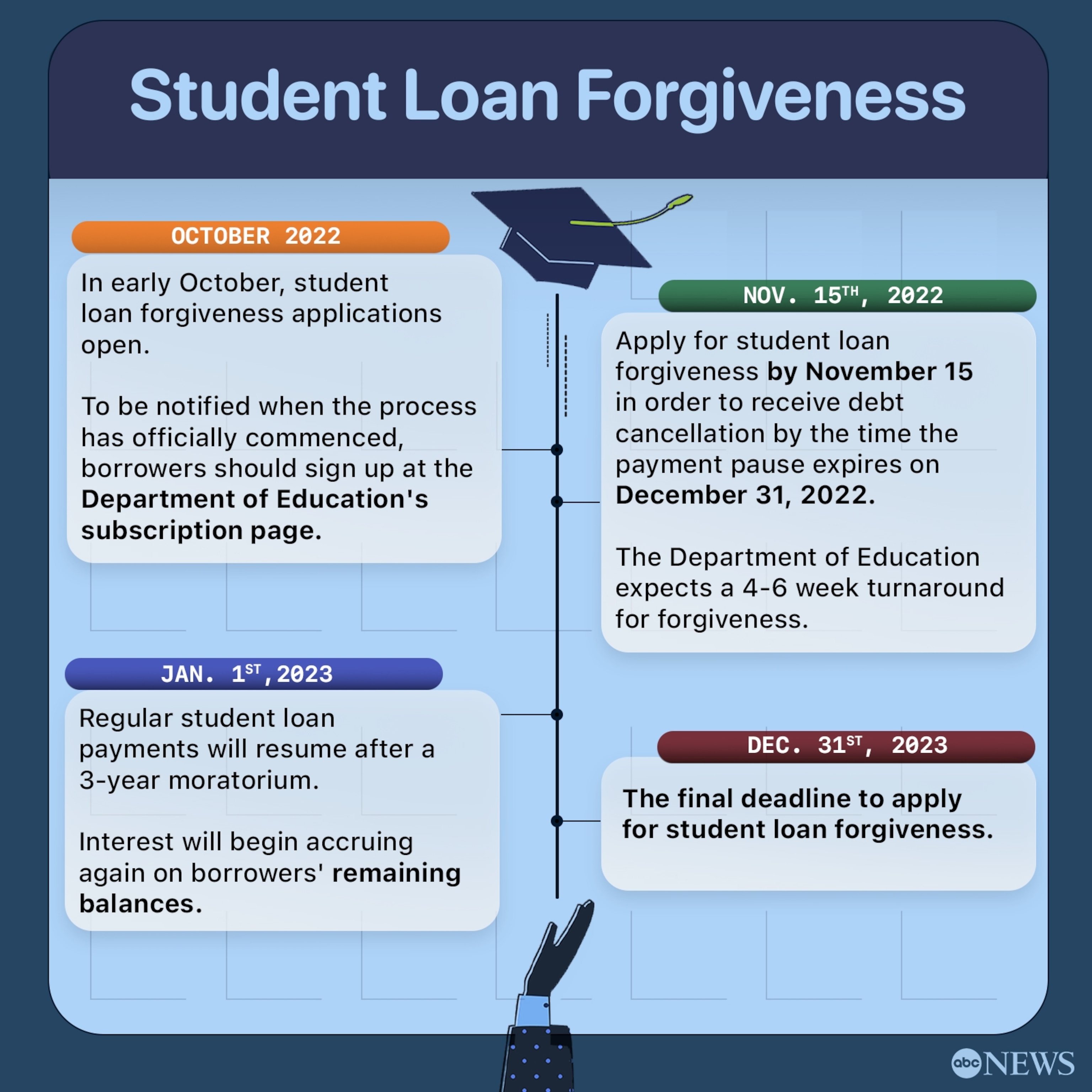
You may need it if your financial institution or a collection firm ever attempts to collect on the financial obligation in the future. When a loan provider forgives $600 or even more, they are required to send you Kind 1099-C.
Financial debt mercy or negotiation generally injures your credit rating. Anytime you work out a debt for much less than you owe, it might look like "worked out" on your credit record and influence your credit report rating for 7 years from the date of settlement. Your credit report can also drop substantially in the months leading to the forgiveness if you fall back on payments.
Get This Report about How to Never Fall Into the Previous Mistakes After Debt Settlement vs. Debt Management Plan: What’s Safer for Your Credit?
This circumstance frequently results from underreporting income, not submitting returns on time, or disparities discovered during an Internal revenue service audit. The repercussions of building up tax debt are severe and can include tax liens, which give the Internal revenue service a legal insurance claim to your home as security for the financial obligation.
Wages and Bank Accounts IRS can levy (seize) earnings and bank accounts to please the financial obligation. Property Seizure In extreme cases, the IRS can seize and market home to cover the financial debt.
Social Preconception Encountering legal activity from the Internal revenue service can bring social stigma. Work Opportunities An inadequate credit rating score due to tire financial debt can restrict work possibilities. Government Advantages Tax obligation financial debt may influence eligibility for federal government advantages, such as Social Security and Medicaid.
Some Known Facts About Pricing Clarity That Debt Settlement vs. Debt Management Plan: What’s Safer for Your Credit? Experts Don't Have.
The OIC thinks about several elements, consisting of the taxpayer's earnings, costs, possession equity, and ability to pay. Effectively bargaining an OIC can be complicated, calling for a complete understanding of the internal revenue service's standards and a solid argument for why your deal aligns with your capability to pay. It's vital to note that not all applications are approved, and the process calls for comprehensive monetary disclosure.
The internal revenue service assesses your general monetary situation, including your revenue, expenses, asset equity, and ability to pay. You should also be current with all filing and settlement needs and not remain in an open bankruptcy proceeding. The IRS likewise considers your compliance history, examining whether you have a record of prompt filing and paying tax obligations in previous years.
Some Ideas on Market Changes in Debt Forgiveness and Debtor Options You Should Know
The application process for a Deal in Concession entails a number of comprehensive steps. First, you should complete and submit IRS Form 656, the Deal in Compromise application, and Form 433-A (OIC), a collection info declaration for people. These types need detailed financial details, including information concerning your revenue, debts, expenditures, and possessions.
Back taxes, which are unpaid tax obligations from previous years, can substantially raise your total internal revenue service financial debt otherwise addressed promptly. This financial obligation can accrue rate of interest and late payment charges, making the original quantity owed a lot bigger in time. Failing to repay tax obligations can result in the internal revenue service taking enforcement activities, such as issuing a tax obligation lien or levy versus your building.
It is important to resolve back taxes asap, either by paying the total owed or by organizing a payment strategy with the internal revenue service. By taking proactive steps, you can stay clear of the build-up of added passion and fines, and prevent much more aggressive collection actions by the internal revenue service.
One typical reason is the idea that the taxpayer can pay the sum total either as a lump amount or via a payment strategy. The IRS additionally considers the taxpayer's revenue, expenses, property equity, and future earning possibility. If these factors suggest that the taxpayer can pay for to pay more than the supplied quantity, the internal revenue service is likely to turn down the offer.
Finding Support for Your Debt Relief Journey Fundamentals Explained
Dealing with IRS financial debt can be complicated and difficult. Tax professionals, such as Certified public accountants, tax attorneys, or enrolled representatives, can give indispensable help.

Table of Contents
Latest Posts
Community-Based Relief Options Compared Things To Know Before You Buy
Some Ideas on Actual Experiences from People Who Secured Peace of Mind You Should Know

10 Simple Techniques For Emerging Legislation That May Transform What to Expect from the Post-Bankruptcy Debtor Education Course Availability
More
Latest Posts
Community-Based Relief Options Compared Things To Know Before You Buy
Some Ideas on Actual Experiences from People Who Secured Peace of Mind You Should Know